What Is a Weight Loss Plateau?
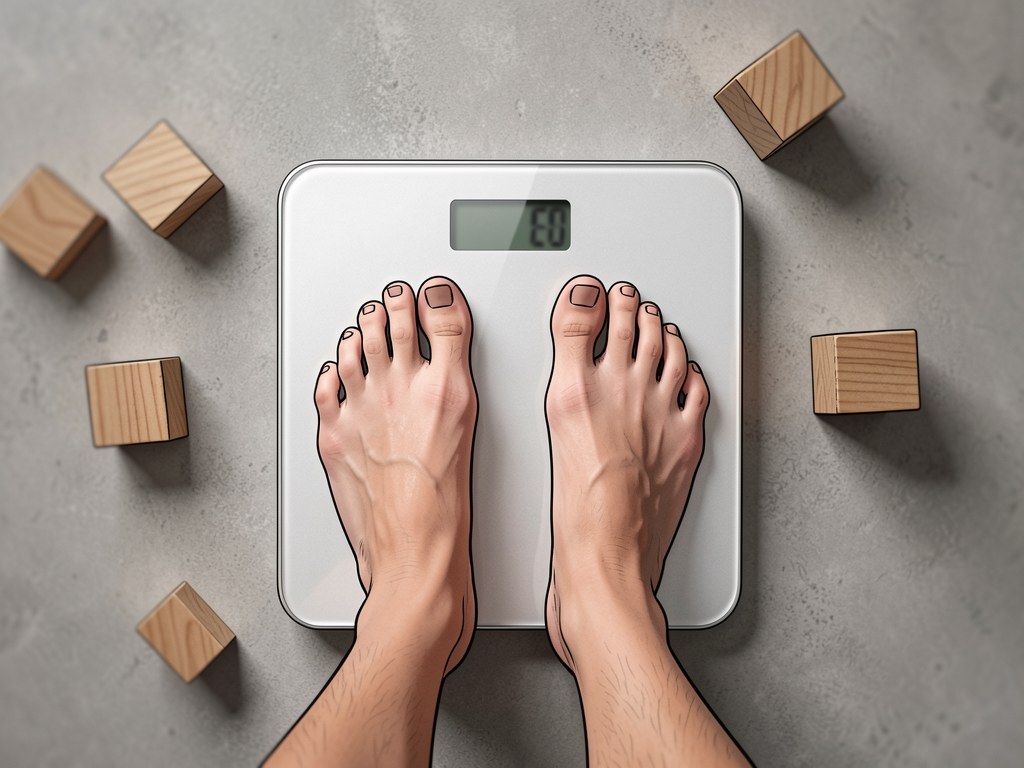
A weight loss plateau is a stage where weight loss slows or stops despite continued adherence to a calorie deficit. This can be disheartening, but it is a normal part of the process. Typically, after initial rapid loss, the rate of loss decreases, and many people eventually hit a period where the scale does not budge for weeks.
It is important to remember that weight loss is not always linear. Various factors, including water retention and measurement inconsistencies, can mask true fat loss. Understanding the root causes of a plateau can help you respond effectively.
Sources: CalcBee, LinkedIn (article)
The Role of Metabolic Adaptation
Metabolic adaptation (also called adaptive thermogenesis) is a drop in resting energy expenditure that is greater than what would be expected from weight loss alone. This response is thought to be a survival mechanism: as you lose weight, your body becomes more efficient and burns fewer calories at rest.
This adaptation means that the calorie intake that once produced a deficit may eventually become maintenance calories. Consequently, to continue losing weight, you may need to adjust your calorie target or increase your activity level.
Sources: LinkedIn (article), Jim Cipriani, Whole Body Approach
Hormonal Changes and Their Impact
Weight loss also triggers hormonal shifts that can work against further progress. Levels of hormones such as leptin, which helps regulate appetite and energy expenditure, tend to decrease. At the same time, ghrelin, known as the hunger hormone, can increase. These changes can lead to a stronger appetite and a lower metabolic rate, making it harder to maintain a calorie deficit.
Sources: LinkedIn (article), Whole Body Approach
Water Retention and Measurement Bias
An apparent plateau may not reflect a failure to lose fat. Water retention can cause the scale to stay steady or even go up, masking ongoing fat loss. Changes in sodium intake, carbohydrate consumption, stress, and hormonal cycles can all influence water balance.
Additionally, measurement bias—such as weighing at different times of day or using a scale inconsistently—can obscure progress. It is possible that fat loss is continuing even when the scale does not move.
To get a clearer picture, consider tracking other indicators like body measurements, how clothes fit, or progress photos, alongside regular weigh-ins.
Sources: CalcBee, LinkedIn (article)
Reassessing Calorie Needs and Activity
As you lose weight, your body requires fewer calories to maintain its new, lower weight. The calorie deficit that worked initially may no longer be sufficient. Therefore, it is crucial to reassess your calorie needs at your current weight and adjust your intake accordingly.
Similarly, increasing physical activity—both aerobic and resistance training—can help create a more significant energy deficit. However, it is important not to drop calories too low. Some sources suggest that repeatedly going below 1,200–1,500 calories per day is counterproductive, as it can lead to muscle loss and further metabolic slowdown. Prioritizing increased activity over extreme restriction is often a more sustainable approach.
Sources: CalcBee, Jim Cipriani, Superdrug Online Doctor, Whole Body Approach
Strategies to Overcome a Plateau
If you are facing a plateau, several evidence-informed strategies may help. First, ensure you are accurately tracking your intake and activity, as small errors can erase a deficit. Consider adjusting your calorie target downward—but not below safe thresholds—to reflect your new weight.
Increasing physical activity is another key lever. Both aerobic and resistance exercise can contribute to a higher daily energy expenditure. Additionally, prioritizing protein is beneficial. Some sources recommend about 1.6 grams of protein per kilogram of body weight to support muscle retention and satiety during a deficit.
Another strategy is incorporating structured diet breaks. A planned period of eating at maintenance calories—often suggested as 1–2 weeks after every 8–12 weeks of a deficit—may help partially reverse metabolic adaptation. Some research indicates that resting energy expenditure can increase by 100–300 kcal after such breaks, though the overall evidence on their effect on fat loss is mixed.
- Reassess your calorie intake based on your current weight.
- Increase exercise, combining both resistance and aerobic training.
- Ensure adequate protein intake—around 1.6 g per kg of body weight.
- Consider a diet break: one to two weeks at maintenance calories after a period of deficit.
Sources: LinkedIn (article), Jim Cipriani, Alibaba Wellness
When to Consult a Professional
While plateaus are common, there are situations where it is wise to seek guidance from a healthcare provider or registered dietitian. If you have been stuck for an extended period despite adjustments, or if you experience other symptoms like fatigue, hair loss, or irregular periods, a professional can help rule out underlying medical issues.
Additionally, if you have a history of disordered eating or find that calorie tracking is affecting your mental health, professional support is essential. A professional can help you develop a safe, personalized plan that accounts for your unique circumstances.
Sources: Ro
What Is Metabolic Adaptation?
Metabolic adaptation is the body's tendency to reduce energy expenditure beyond what is expected from weight loss alone. This concept is also called adaptive thermogenesis. It is a physiological response that helps the body conserve energy when it senses a significant calorie deficit.
The decrease in resting energy expenditure can be considerable.
Sources: LinkedIn (article), Whole Body Approach
Factors That Influence Individual Variability
Individual responses to weight loss and metabolic adaptation vary widely. Factors include genetics, age, sex, body composition, and the amount of weight lost. People with more lean muscle mass tend to have a higher resting metabolic rate, while losing muscle during a deficit can further lower calorie needs.
Hormonal changes also differ between individuals, as do activity levels and the ability to sustain a calorie deficit over the long term. Because of this variability, there is no one-size-fits-all approach to breaking a plateau; what works for one person may not work for another.
Sources: Whole Body Approach
Role of Diet Breaks and Refeeds
Diet breaks and refeeds are strategies that involve temporarily increasing calorie intake to maintenance levels for a short period—often one to two weeks—before resuming a deficit. The goal is to mitigate metabolic adaptation and provide a psychological break from dieting.
Some sources recommend implementing a diet break every 8–12 weeks of a calorie deficit. Evidence suggests that such breaks may help restore resting energy expenditure by 100–300 kcal, although the impact on overall fat loss remains inconsistent across studies. These strategies are not about abandoning your goals but about strategically managing your metabolism to support long-term success.
Sources: CalcBee, Alibaba Wellness
Frequently asked questions
How long does a plateau last?
The duration of a plateau can vary widely. It may last anywhere from a few weeks to several months. The body may need time to adjust to a new weight set point. If you continue your habits and make appropriate adjustments, most plateaus are temporary. If a plateau persists for several months despite consistent effort, it is worth consulting a healthcare professional.
Sources: CalcBee, Jim CiprianiShould I eat fewer calories if I plateau?
Reducing calorie intake further is a common response, but it is not always the best approach. Because your body now requires fewer calories at a lower weight, you may need to adjust your intake downward to create a deficit again. However, repeatedly cutting calories below 1,200–1,500 per day can be counterproductive. Instead, consider increasing physical activity to boost energy expenditure while keeping your calories at a sustainable level.
Sources: CalcBee, Superdrug Online DoctorCan stress or sleep affect my progress?
Yes, stress and poor sleep can influence weight loss. Hormonal changes during weight loss, including alterations in ghrelin and leptin, can affect appetite and energy expenditure. Elevated stress hormones like cortisol can also promote fat storage and increase appetite.
Sources: Whole Body ApproachDo I need to increase exercise if I plateau?
Increasing physical activity is one of the recommended strategies to overcome a plateau. Both aerobic exercise and resistance training can help increase daily energy expenditure and preserve lean muscle mass, which in turn supports a higher metabolic rate. Adding or intensifying exercise may help reignite weight loss.
Sources: Jim CiprianiDoes metabolic adaptation permanently lower your metabolism?
No, metabolic adaptation is not permanent. The drop in metabolic rate is a response to a prolonged calorie deficit and tends to diminish when you return to a maintenance intake. Diet breaks and refeeds may prompt a temporary increase in resting energy expenditure, helping to partially reverse the adaptation.
Sources: Alibaba WellnessCan exercise prevent metabolic adaptation?
Exercise, particularly resistance training, can help mitigate the reduction in metabolic rate by preserving or increasing lean muscle mass. More muscle tissue requires more energy to maintain. While exercise may not completely prevent metabolic adaptation, it is a valuable tool to limit its impact and support ongoing weight loss.
Sources: Jim CiprianiSources
- Weight Plateau Breaker Calculator | CalcBee — CalcBee
- Calorie Deficit Calculator for Weight Loss - Ro — Ro
- Why Weight Loss Plateaus Happen (Even in a Calorie Deficit) and How to Break Them Scientifically — LinkedIn (article)
- Weight Loss Plateaus: The Metabolic Adaptations and How to Overcome Them — Jim Cipriani
- Calorie Deficit Calculator - Calorie Deficit for Weight Loss | Superdrug Online Doctor — Superdrug Online Doctor
- How to Improve Weight Loss with Diet Breaks & Metabolic Adaptation — Alibaba Wellness
- Weight Loss Plateaus: The Metabolic Adaptations and How to Overcome Them — Whole Body Approach